
Mustang Mach-E vs EV6 2026: which electric crossover deserves your money?
Updated July 2026 · AI-assisted editorial comparison based on official Ford and Kia specifications
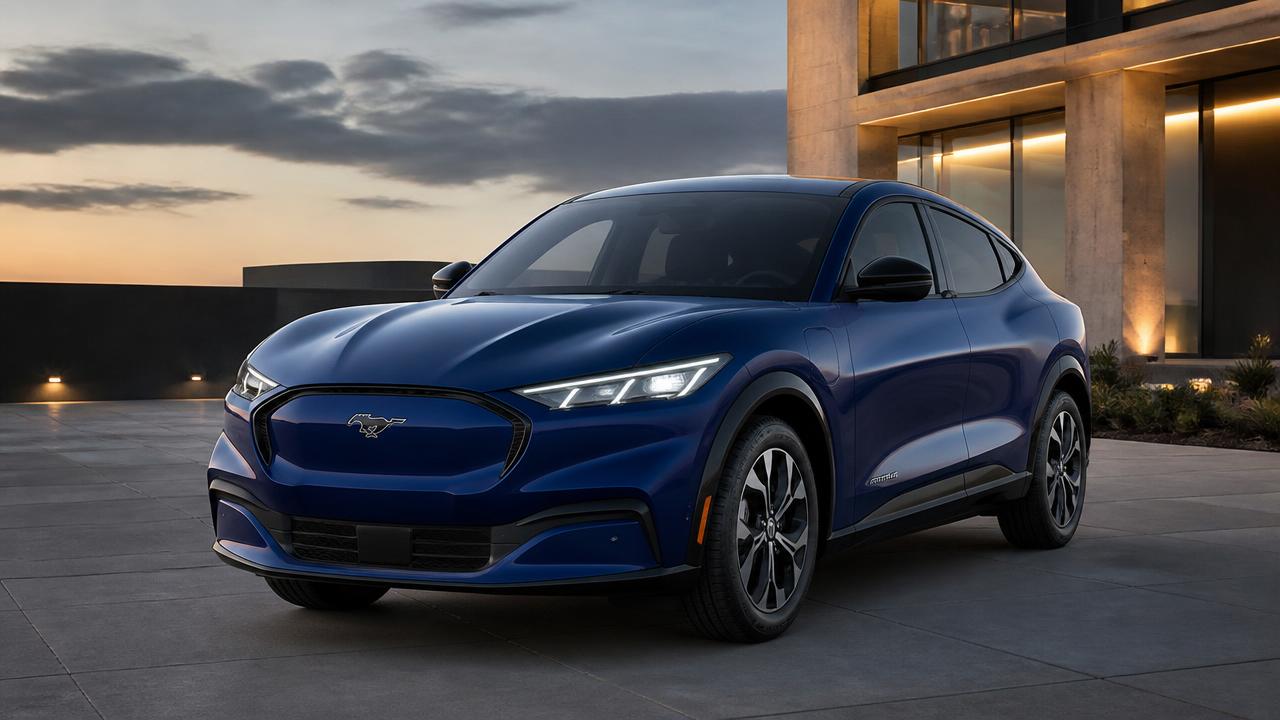
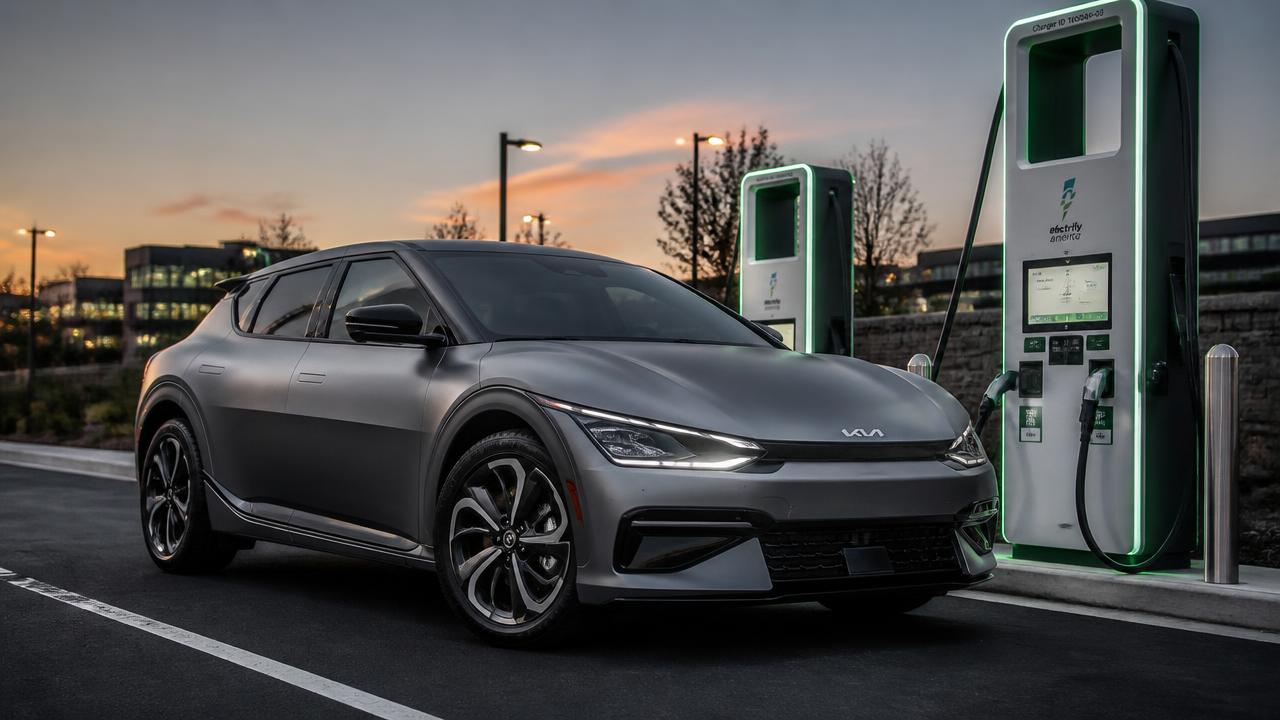
The Mustang Mach-E vs EV6 2026 question comes up constantly, and for good reason: these two cost about the same, travel about the same distance on a charge, and are the sort of electric crossover people actually buy instead of arguing about online. But they solve the EV problem in two very different ways. Ford leans on space, familiarity and a lower entry price. Kia leans on 800-volt hardware that turns fast-charging stops into something you barely plan around. Here's how they compare where it matters.
2026 specs compared
| Spec | Ford Mustang Mach-E 2026 | Kia EV6 2026 |
|---|---|---|
| Starting price (MSRP) | $37,995 (Select RWD) | $43,975 (Light Long Range RWD) |
| Top trim | GT Performance — approx. $61,000 | GT — approx. $65,000 |
| Max EPA range | Up to 320 mi (Premium RWD ext. range) | Up to 319 mi (Light Long Range RWD) |
| Usable battery (long range) | 91 kWh | 84 kWh |
| Power (base / top) | 264 hp / 480 hp (GT Performance) | 225 hp / 641 hp (GT) |
| 0–60 mph | 6.3s base, ~3.3s GT Performance | 7.2s base, ~3.4s GT |
| Architecture | 400-volt | 800-volt |
| Peak DC fast charging | Up to 150 kW | Up to 258 kW |
| 10–80% fast charge | About 36 minutes | About 18 minutes |
| Charge port | CCS with NACS adapter for Superchargers | Native NACS port |
| Cargo behind rear seats | 29.7 cu ft | 24.4 cu ft |
| Max cargo / frunk | 59.7 cu ft / 4.7 cu ft frunk | 50.2 cu ft / 1.8 cu ft frunk |
Figures reflect Ford and Kia official US specifications as of July 2026. Prices exclude destination, taxes and incentives, and vary by trim and region.
Driving and real-world experience
On a normal commute the Mach-E feels like the bigger, softer car — because it is. The steering is light, the ride absorbs broken pavement well, and the one-pedal driving mode is among the best-calibrated in the segment. Ford's base Select RWD is not quick by EV standards at 6.3 seconds to 60 mph, but it never feels slow in traffic. Step up to GT Performance and you get 480 hp and a genuine 3.3-second launch, at which point the extra weight starts to show in corners.
The EV6 is the tauter of the two. It sits lower, turns in harder, and the steering has more weight off-center. Base Light Long Range trims are actually slower than the Mach-E's base car — 225 hp and about 7.2 seconds — so if you're shopping the bottom of each range, Ford wins the stoplight. The 641-hp EV6 GT is a different animal entirely and will embarrass most sports sedans.
The gap that actually changes your week is charging. Take a 300-mile Friday drive: the EV6 needs one stop of roughly 18 minutes, which is a bathroom break and a coffee. The Mach-E needs about 36 minutes for the same top-up, and realistically you'll plan two shorter stops rather than one long one. Around town this is irrelevant — both charge overnight at home on Level 2 — but it is the single biggest practical difference between them.
"The EV6 charges so quickly that we often found ourselves back on the road before we'd finished a snack — its 800-volt architecture remains one of the biggest real-world advantages in this class."
Interior and tech
Ford's cabin is built around a portrait 15.5-inch touchscreen running SYNC 4A, with a physical volume knob fused into the glass — an oddly charming solution that works better than it sounds. Material quality is fine rather than special, but the packaging is excellent: 29.7 cu ft behind the rear seats, a big flat load floor, and a 4.7 cu ft frunk that swallows a carry-on. BlueCruise hands-free highway driving is available and is genuinely one of the better systems on sale.
Kia's dual 12.3-inch curved display setup still looks sharper, and the switchable climate/media control bar is a clever space-saver once you stop pressing the wrong thing. The EV6 also has vehicle-to-load, so you can run a laptop, a coffee machine or camping gear straight off the battery — a party trick that becomes genuinely useful during a power cut. The cost is space: 24.4 cu ft behind the rear seats and a sloping roofline that steals rear headroom.
Pros and cons
Ford Mustang Mach-E 2026
- Lower entry price — about $6,000 less to get in the door
- Much more cargo space and a usable 4.7 cu ft frunk
- Larger 91 kWh pack and up to 320 miles of EPA range
- BlueCruise hands-free highway driving is excellent
- 400-volt charging peaks at 150 kW — roughly double the fast-charge time
- Needs an adapter to use Tesla Superchargers
- Interior materials trail the price point in places
Kia EV6 2026
- 800-volt charging: 10–80% in about 18 minutes
- Native NACS port — plug straight into Superchargers
- Sharper steering and body control; the EV6 GT is savagely quick
- Vehicle-to-load power output and a slicker dual-screen cabin
- Costs more to get started and the base trim is the slower of the two
- Noticeably less cargo room and a tiny frunk
- Sloping roof cuts rear headroom for taller passengers
Who should buy which
Buy the Mach-E if you charge at home most nights, take a handful of long trips a year, and value space — dogs, strollers, flat-pack furniture, bikes with the seats down. It's also the right answer if the budget genuinely stops around $40,000.
Buy the EV6 if you road-trip often, can't charge reliably at home, or simply want the car that behaves best at a public charger. It's also the enthusiast's pick: the chassis is more alert and the GT is in a different performance league.
Final verdict
Editorial pick
Kia EV6 2026 — by a narrow margin
In the Mustang Mach-E vs EV6 2026 matchup, the Kia takes it on the strength of its 800-volt charging and native NACS port, which remove the single most annoying part of EV ownership. The Mach-E remains the smarter buy for space and value, and if your driving is 95% local, that argument wins on its own. Neither is a mistake — pick based on where you charge, not on the spec sheet.
Frequently asked questions
Is the Mustang Mach-E or Kia EV6 faster to charge in 2026?
The EV6, clearly. Its 800-volt architecture peaks at about 258 kW and does 10–80% in roughly 18 minutes on a suitable charger. The Mach-E's 400-volt system tops out near 150 kW and needs around 36 minutes for the same window. On a single 300-mile day it's one coffee stop versus two.
Which one is cheaper to buy?
The Mach-E. A Select RWD starts around $37,995 versus about $43,975 for the entry Kia EV6 Light Long Range. Kia's base car does give you more range for the money than Ford's base Select, so compare like-for-like range trims before deciding.
Can both use Tesla Superchargers?
Yes. The 2026 EV6 has a native NACS port and plugs straight in. The Mach-E uses CCS and needs Ford's NACS adapter, which works fine but is one more thing to keep in the frunk.
Which has more usable space?
The Mach-E. It offers 29.7 cu ft behind the rear seats and 59.7 cu ft with them folded, versus 24.4 and 50.2 for the EV6. The Mach-E's frunk is also nearly three times larger.
Which holds up better on a road trip?
The EV6, mostly because of charging speed and a flatter charge curve. Range is effectively a tie, so the car that refills faster wins the long day.
Is the Mustang Mach-E vs EV6 2026 decision different for families?
Slightly. Families hauling strollers, hockey bags or dogs will feel the Mach-E's extra cargo volume and easier rear-seat access every week. Rear headroom under the EV6's sloping roof is tighter for taller teens.
Professional disclaimer
This comparison is AI-assisted editorial content, written and reviewed against official Ford and Kia specifications published as of July 2026, plus reputable third-party road tests and owner reports. Prices, specifications and EPA figures change by trim, option pack and region — always confirm with the manufacturer or your dealer before purchase.