
Hyundai IONIQ 5 2026 Review
The best electric SUV 2026 shoppers can buy if charging speed and cabin comfort matter more than badge prestige.
Starting price
$43,975
Horsepower
320 hp
0–60 mph
As quick as 4.4s (AWD)
Range / MPG
Up to 318 mi EPA (SE RWD Long Range)
Overview
This Hyundai Ioniq 5 2026 review is about a car that has quietly become the default recommendation for people who want an EV without buying into Tesla's ecosystem. Five years in, the IONIQ 5 has been refreshed rather than replaced, and the changes — a bigger battery, a native NACS port, a rear wiper people begged for — fixed almost everything owners complained about.
Ioniq 5 price starts at $43,975 for the SE Standard Range RWD and climbs to roughly $58,100 for the Limited AWD and the rugged XRT. Ioniq 5 range 2026 tops out at an EPA-rated 318 miles on the SE RWD with the 84 kWh Long Range pack, with Limited AWD models rated around 259 miles.
What you notice first is not the spec sheet. It is how calm the thing is. The IONIQ 5 rides with a softness that most EVs, weighed down by their batteries, never manage, and the cabin is quiet enough at 70 mph that you drop your voice without meaning to.
What's new for 2026
- Carryover of the 2025 mid-cycle refresh: 84 kWh Long Range battery (up from 77.4 kWh) and revised bumpers, wheels and lighting.
- Native NACS charge port standard, giving direct access to Tesla Superchargers alongside CCS via adapter.
- Rear windscreen wiper now standard — the single most requested owner fix.
- XRT trim continues with 1-inch lift, all-terrain tyres and unique bumpers.
- Physical climate and volume controls retained below the twin 12.3-inch screens.
Key specifications
| Starting MSRP | $43,975 (SE Standard Range RWD, before incentives) |
|---|---|
| Trims | SE Standard Range / SE / SEL / XRT / Limited |
| EPA range | Up to 318 mi (SE RWD Long Range) · ~259 mi (Limited AWD) |
| Battery | 63 kWh (Standard Range) or 84 kWh (Long Range), 800V architecture |
| Power | 168 hp (SR RWD) · 225 hp (LR RWD) · 320 hp (AWD) |
| 0–60 mph | ~7.4s (LR RWD) · ~4.4s (AWD) |
| Peak DC charging | Up to 257 kW; 10–80% in ~20 minutes on a 350 kW charger |
| Charge port | Native NACS (Tesla Supercharger compatible) |
| Cargo volume | 27.2 cu ft behind rear seats; 59.3 cu ft folded |
| Warranty | 5 yr / 60k mi basic; 10 yr / 100k mi powertrain & battery |
Design & interior
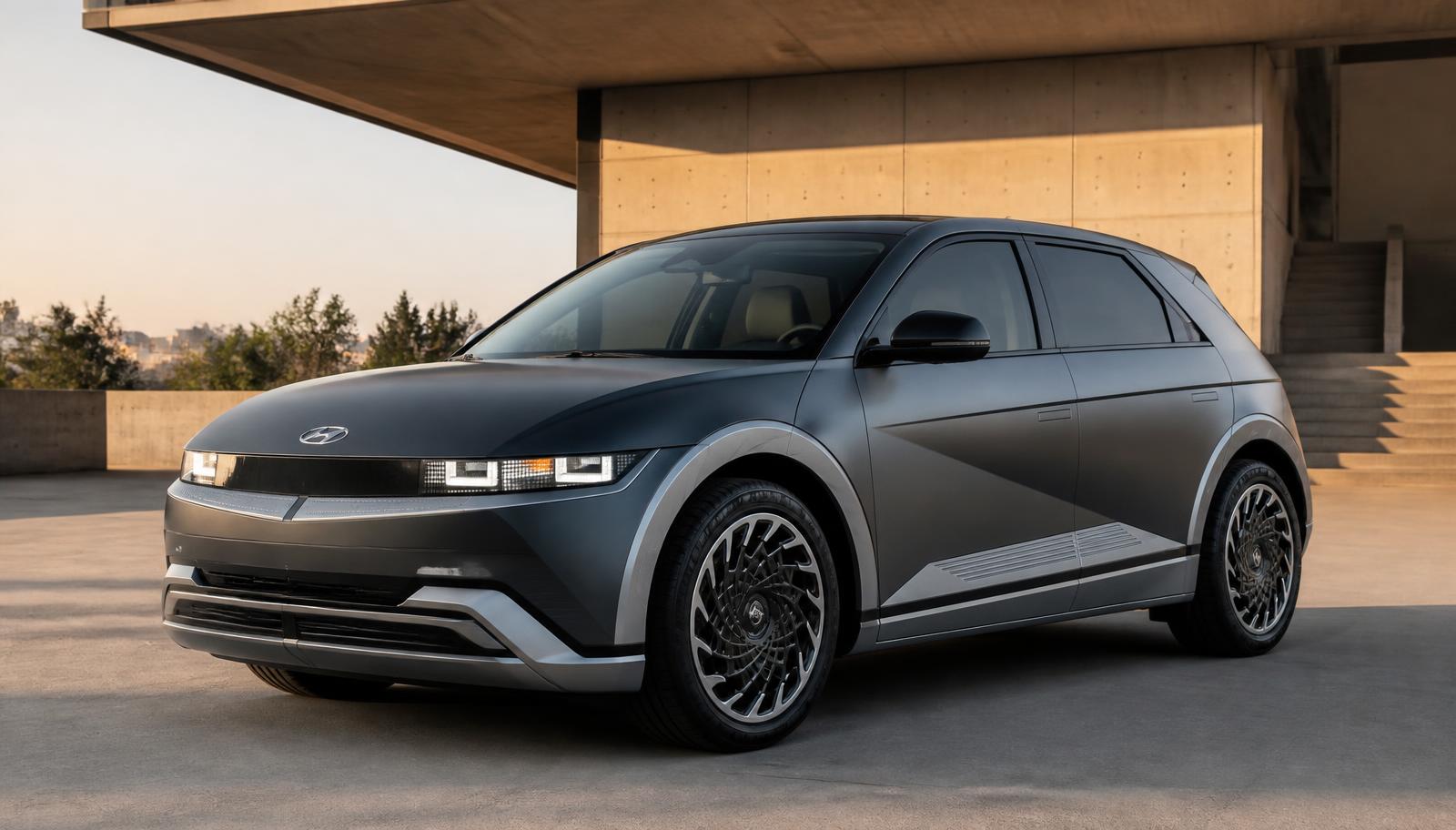
Nothing else on the road looks like it. The pixel lighting, the origami creases down the flanks, the near-flat roofline — the IONIQ 5 still stops people in car parks, which is not something you can say about most electric crossovers. It photographs smaller than it is, too: at 118.1 inches, the wheelbase is longer than a Palisade's.
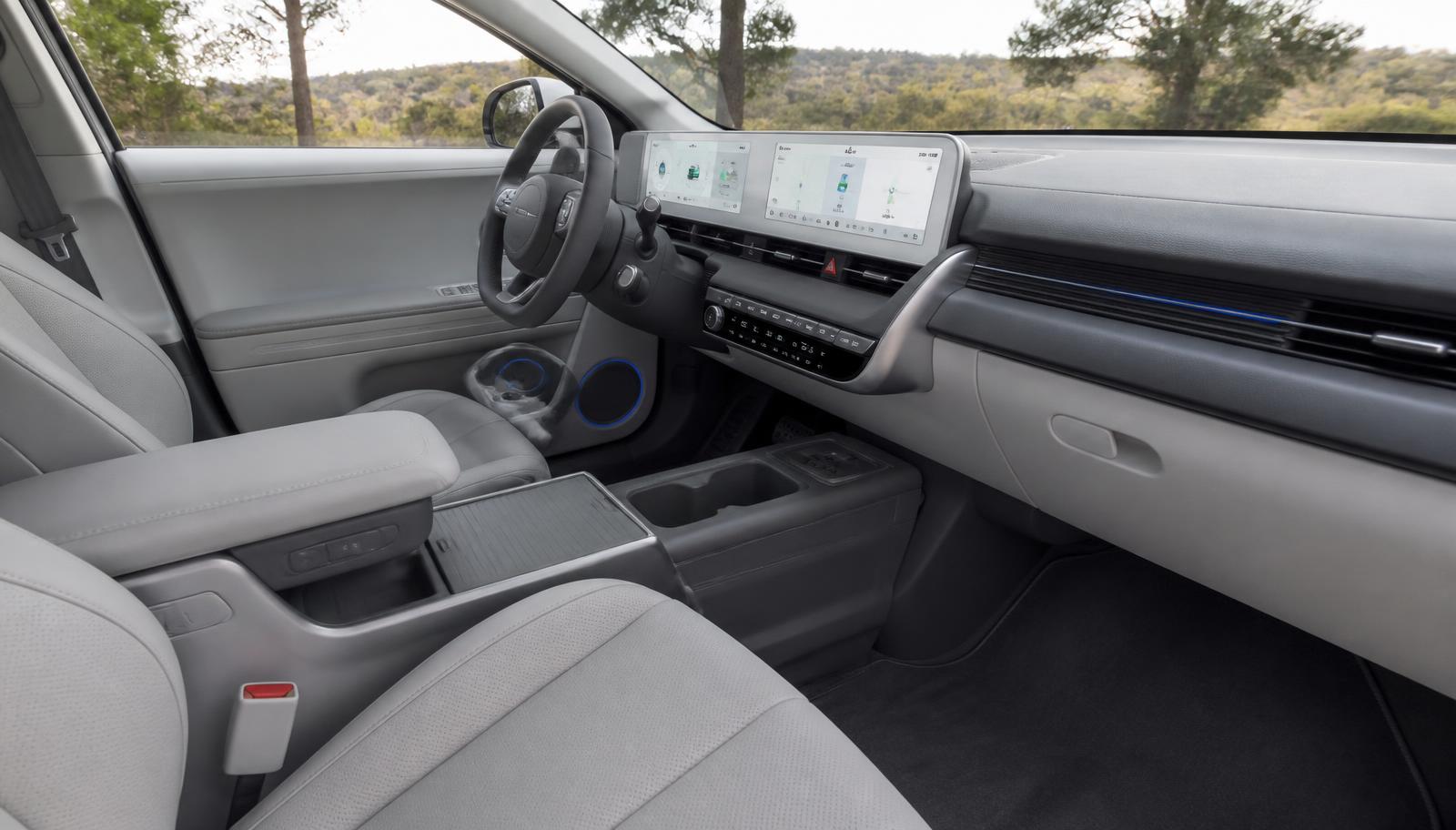
That wheelbase pays off inside. The floor is flat, the front seats recline almost horizontally with leg rests on higher trims, and the centre console slides back nearly six inches so the driver can shuffle across and exit kerbside. Rear passengers get sliding, reclining seats and enough legroom that six-footers sit behind six-footers without negotiation.
Twin 12.3-inch displays sit under one pane of glass, and — thank goodness — Hyundai kept real buttons for climate and volume. Materials are good rather than luxurious: soft where your elbows land, harder plastics lower down. Boot space is 27.2 cubic feet, which comfortably beats a RAV4, though the frunk is a token 0.85 cubic feet on RWD cars.
Performance & real-world range
The Long Range RWD's 225 hp sounds modest and feels perfectly adequate — 0–60 mph in about 7.4 seconds, with the instant shove off the line that makes EVs feel quicker than the stopwatch says. The 320 hp dual-motor AWD cuts that to roughly 4.4 seconds and is the one to have if you live somewhere snowy.
On Ioniq 5 range 2026 numbers, be realistic. The 318-mile EPA figure belongs to the SE RWD on small wheels. In mixed driving at moderate speeds we would expect 270–300 miles from that car; at a steady 75 mph on a cold day, closer to 210–230. A Limited AWD on 20-inch wheels is a 200–230 mile highway car in winter. That is normal for the class, but the tall, boxy shape costs it more at speed than a slippery sedan gives up.
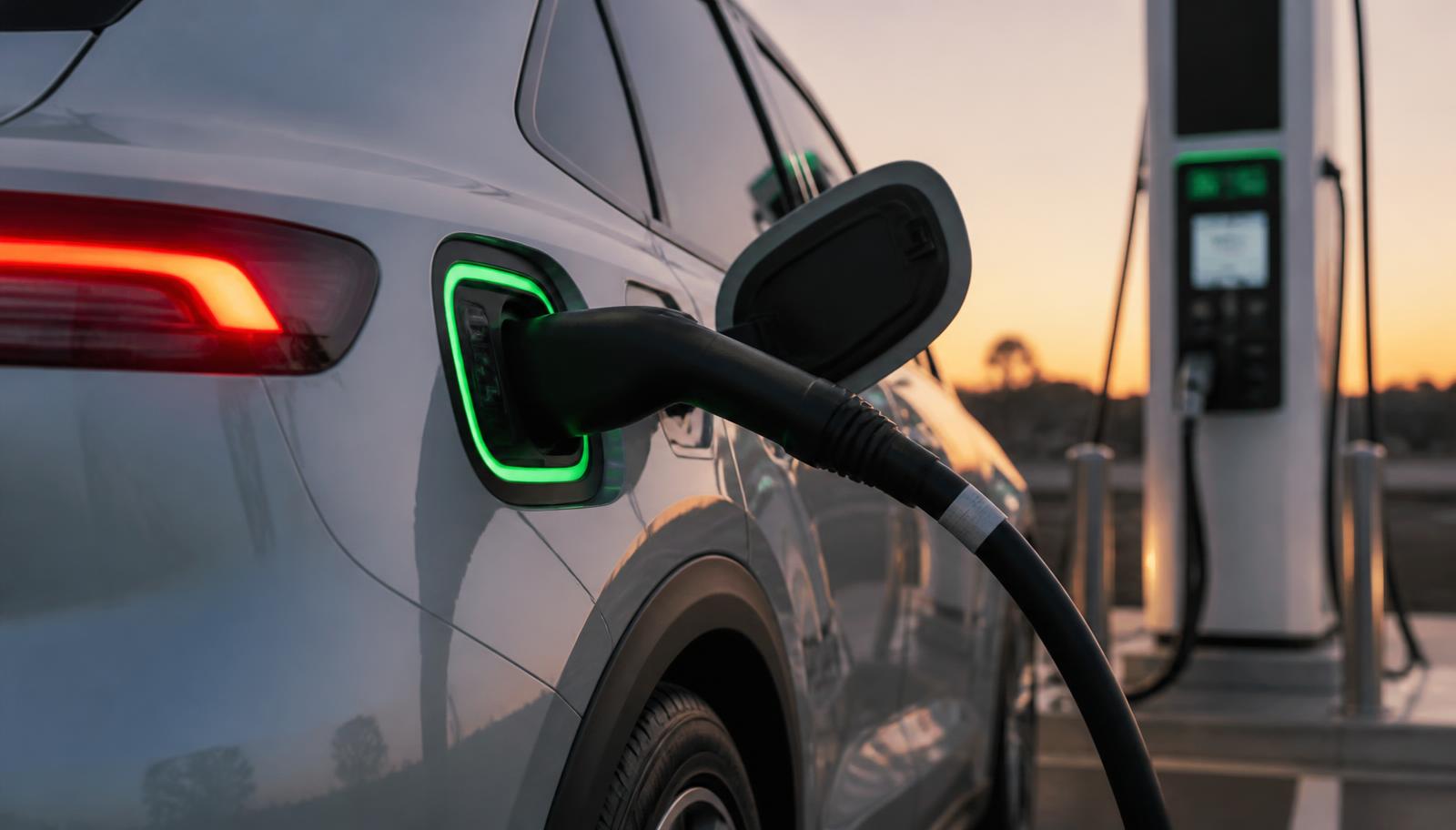
Charging is the trump card. The 800V pack takes 10–80% in about 20 minutes on a 350 kW charger — genuinely 18 minutes on a good day with a preconditioned battery — and because the port is now native NACS, you pull into a Supercharger and plug in like a Tesla. On a home 240V charger you'll add roughly 25–30 miles per hour, so overnight is more than enough for any commute.
The ride is the quiet highlight. Hyundai tuned this car for comfort and it shows over broken city streets and motorway expansion joints alike. Steering is light and accurate without pretending to be sporty, and the one-pedal i-Pedal mode is one of the better implementations out there.
Technology & features
Both screens run Hyundai's latest software with wireless Apple CarPlay and Android Auto, over-the-air updates and a navigation system that will route you via chargers and precondition the battery on the way. Higher trims add a head-up display with augmented-reality arrows, a Bose audio system and a digital key that turns your phone into the fob.
Vehicle-to-Load is the feature owners end up bragging about: a 3.6 kW outlet under the rear seat and an adapter for the charge port let you power a fridge, a laptop, camping gear or a neighbour's stranded EV. During a two-day outage it will run the essentials of a house.
Hyundai SmartSense is standard across the range — forward collision avoidance with pedestrian and cyclist detection, lane keeping and following assist, blind-spot collision avoidance, safe exit warning and rear occupant alert. Highway Driving Assist 2 on upper trims handles lane centring and automatic lane changes on the motorway and is calm and predictable in traffic. Remote Smart Parking Assist still draws a crowd: the car can pull itself into or out of a tight space while you stand outside with the key.
How it compares with rivals
| Model | Starting price | EPA range | 0–60 mph | Takeaway |
|---|---|---|---|---|
| Hyundai IONIQ 5 2026 (SE RWD LR) | $43,975 | 318 mi | ~7.4s | Fastest charging here, roomiest cabin, best warranty; softest ride of the group. |
| Tesla Model Y 2026 (LR RWD) | $44,990 | 320 mi | 5.4s | Ioniq 5 vs Model Y: the Y is quicker and better on software; the IONIQ 5 charges faster and rides better for about the same money. |
| Kia EV6 (Light Long Range RWD) | ~$44,000 | ~319 mi | ~7.2s | Same 800V platform in a sportier, tighter-packaged body; less rear space. |
| Ford Mustang Mach-E (Premium RWD) | ~$46,000 | ~320 mi | ~6.3s | More engaging to drive, but 400V charging is markedly slower on road trips. |
Rival figures are manufacturer/EPA estimates as of July 2026. Compare any two of these side by side in our car comparison tool.
Safety
- Hyundai SmartSense standard: Forward Collision-Avoidance Assist with pedestrian, cyclist and junction-turning detection, Lane Keeping and Lane Following Assist, Driver Attention Warning and Safe Exit Assist.
- Blind-Spot Collision-Avoidance Assist and Rear Cross-Traffic Collision-Avoidance Assist standard on SEL and above.
- Highway Driving Assist 2 with lane centring and assisted lane changes on upper trims.
- Blind-Spot View Monitor projects a camera feed into the cluster when you indicate; confirm current IIHS and NHTSA ratings on their official sites before buying.
Technology
- Twin 12.3-inch curved displays with wireless Apple CarPlay and Android Auto.
- Over-the-air updates for infotainment and vehicle systems.
- Vehicle-to-Load (V2L) 3.6 kW power export, interior outlet plus charge-port adapter.
- Augmented-reality head-up display, Bose premium audio and digital key on higher trims.
- Remote Smart Parking Assist and a 360-degree surround-view monitor available.
What we liked
- 800V architecture charges 10–80% in about 20 minutes on a 350 kW station
- Native NACS port means Tesla Supercharger access without an adapter
- Genuinely lounge-like cabin with a flat floor and sliding centre console
- Vehicle-to-Load lets you run tools, laptops or a coffee machine off the pack
What could be better
- Rear visibility is poor thanks to the shallow glass and thick pillars
- Real-world highway range drops off faster than the EPA number suggests
- No frunk worth the name — 0.85 cu ft on RWD, less on AWD
Verdict
The verdict of this Hyundai Ioniq 5 2026 review: this is the best electric SUV 2026 offers for buyers who road-trip occasionally and want to enjoy the car the rest of the time. The 800V charging is transformative, the NACS port removes the last real reason to default to Tesla, and the cabin is more comfortable than anything else at the price. Buy the SE Long Range RWD for maximum range per dollar, or the SEL AWD if you need traction. On Ioniq 5 vs Model Y, choose the Tesla if outright speed and software polish top your list, and the IONIQ 5 if charging speed, ride comfort, physical controls and a 10-year powertrain warranty matter more.
Data from the official Hyundai website — July 2026 — www.hyundaiusa.com/us/en/vehicles/ioniq-5. Published August 15, 2026. Prices and specs vary by trim and market. See our Affiliate Disclosure.
Frequently asked questions
How much does the 2026 Hyundai IONIQ 5 cost?
Ioniq 5 price starts at $43,975 for the SE Standard Range RWD and rises to roughly $58,100 for the Limited AWD and the XRT. Those figures exclude destination and any federal, state or utility incentives you may qualify for.
What is the range of the 2026 Hyundai IONIQ 5?
Ioniq 5 range 2026 peaks at an EPA-rated 318 miles on the SE RWD with the 84 kWh Long Range battery. Limited AWD models are rated around 259 miles. In real-world driving expect 270-300 miles from a Long Range RWD in mild conditions and 210-230 miles at sustained highway speed in cold weather.
How fast does the 2026 IONIQ 5 charge?
Its 800V architecture accepts up to 257 kW, taking the battery from 10-80% in about 20 minutes on a 350 kW DC fast charger. On a 240V home charger you add roughly 25-30 miles of range per hour.
Can the 2026 IONIQ 5 use Tesla Superchargers?
Yes. The 2026 IONIQ 5 has a native NACS charge port, so it plugs directly into compatible Tesla Superchargers with no adapter. A CCS adapter is included for older DC fast-charging networks.
Ioniq 5 vs Model Y - which is better?
The Tesla Model Y is quicker (5.4s to 60 mph versus about 7.4s) and has the more polished software. The IONIQ 5 charges significantly faster thanks to its 800V pack, rides more comfortably, keeps physical climate controls and carries a 10-year/100,000-mile powertrain warranty. Prices are within about $1,000 of each other, so it comes down to whether you value speed and software or charging and comfort.
Is the 2026 Hyundai IONIQ 5 a good family EV?
Yes. The flat floor, 118.1-inch wheelbase and sliding rear seats give it class-leading rear legroom, and 27.2 cubic feet of boot space behind the rear seats beats most compact SUVs. The main practical gripes are limited rear visibility and a frunk too small to be useful.