Charging Infrastructure Hits an Inflection Point
Public fast-charging is finally faster than a coffee break in more of the country. Here's how the map is filling in.
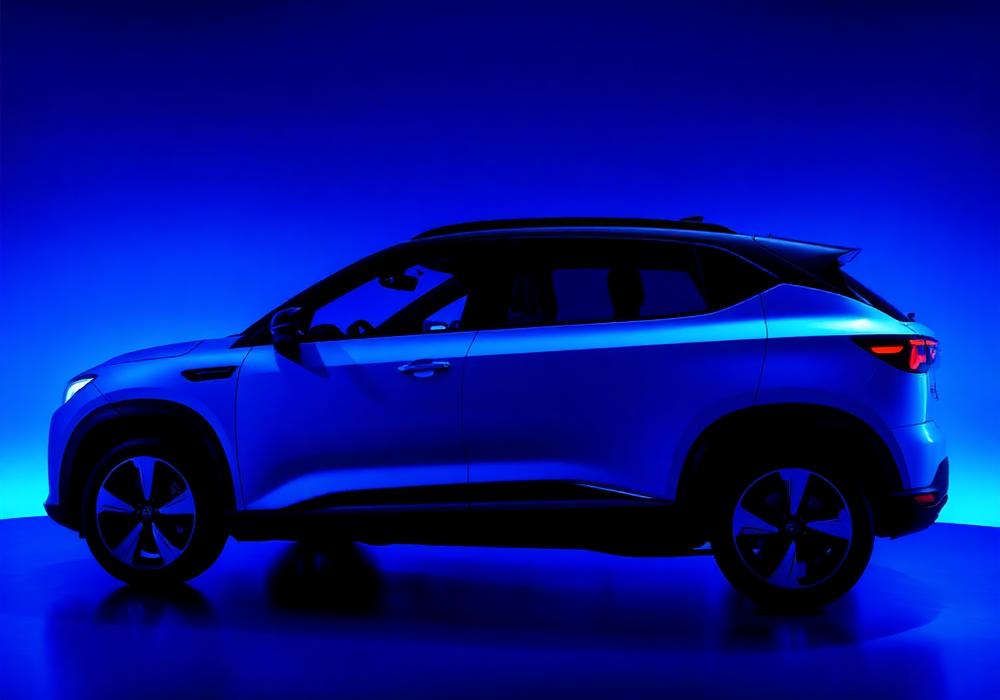
The North American Charging Standard (NACS) transition has been the single biggest change: non-Tesla EVs can now access most of the Supercharger network with an adapter or native port.
Combined with steady rollout of 150–350 kW DC fast chargers along interstate corridors, road-tripping an EV in 2026 is meaningfully easier than in 2024.
Rural and multi-family charging remain the two big gaps. If you live in an apartment without dedicated parking, a hybrid may still be the more livable choice.
Frequently asked questions
Is EV road-tripping practical in 2026?
Yes, along most U.S. interstate corridors. 150–350 kW DC fast chargers are now common at highway stops, and the NACS transition has opened Tesla Superchargers to most non-Tesla EVs with an adapter or native port.
Can I own an EV in an apartment without a home charger?
It's possible but harder. You'll rely on workplace or public charging, which raises both cost per mile and time cost. For apartment dwellers without dedicated parking, a hybrid is often the more livable choice.
How fast is DC fast-charging in 2026?
Modern 150–350 kW stations can add 150–200 miles of range in about 15–25 minutes on capable EVs. Actual speed depends on the vehicle's charging curve, battery temperature, and state of charge.