Tesla Model Y 2026 vs Toyota RAV4 Hybrid 2026: Side-by-Side Comparison
Tesla Model Y or Toyota RAV4 Hybrid in 2026? We line them up on price, range, fuel economy, safety, tech and long-term cost so you can pick the right family SUV.
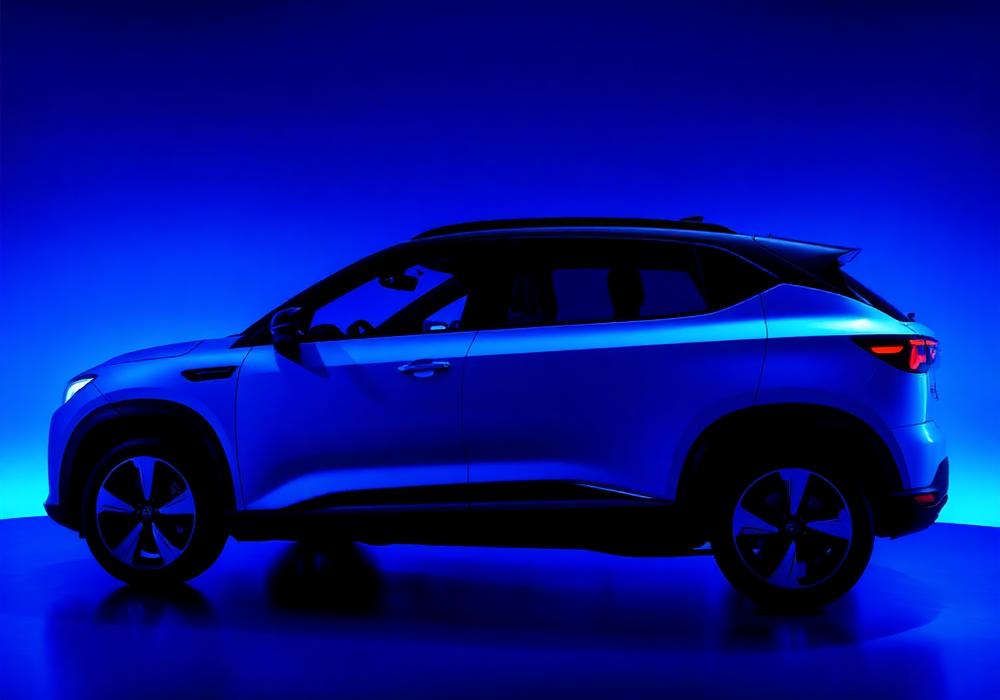
Disclaimer: This comparison is AI-assisted, based on official manufacturer data (Tesla.com, Toyota.com) and expert analysis as of July 2026.
The 2026 Tesla Model Y and the 2026 Toyota RAV4 Hybrid are the two SUVs most cross-shopped by families who've narrowed the field to 'efficient and practical'. On paper they look like different animals — one is a pure EV, the other is a hybrid crossover — but for a lot of buyers the real question isn't 'electric or not?' It's 'which of these two will I actually be happier with in three years?'
Price and value: The Model Y Long Range RWD starts at $44,990 before incentives, per Tesla. The RAV4 Hybrid LE AWD starts at $32,300 per Toyota — roughly a $12,700 gap before you touch the options sheet. Federal and state clean-vehicle credits can narrow that gap on the Model Y depending on your income and assembly eligibility (verify current terms on fueleconomy.gov). Even so, the RAV4 Hybrid is the cheaper vehicle to walk out with.
Range and efficiency: The Model Y Long Range RWD is EPA-rated at up to 320 miles of range and, per Tesla, Long Range AWD hits 0–60 mph as quick as 4.1 seconds. The RAV4 Hybrid isn't quick — call it around 7.4 seconds to 60 mph — but it's rated up to 41 city / 38 highway / 39 mpg combined on LE AWD, and refueling is a five-minute stop at any gas station. If you have reliable home charging, the Model Y wins on per-mile cost. If you don't, the RAV4 Hybrid wins on convenience by a wider margin than the spec sheet suggests.
Interior and practicality: The RAV4 Hybrid gives you 37.6 cu ft of cargo behind the second row and a conventional dashboard with real climate knobs — a genuine advantage for parents installing car seats or handing the wheel to a spouse who hates touchscreens. The Model Y counters with a 15.4-inch center touchscreen, a rear-passenger display, a glass roof and roughly 76 cu ft of total cargo with the rear seats folded — plus an available third row on Long Range AWD. Both are five-seat SUVs in normal use; only the Model Y offers occasional 6- or 7-seat configurations.
Safety and driver assistance: Toyota Safety Sense 3.0 is standard across the RAV4 Hybrid lineup — full-speed adaptive cruise, lane tracing, pre-collision with pedestrian detection and proactive driving assist. The Model Y ships with standard Autopilot (traffic-aware cruise + Autosteer), with Full Self-Driving (Supervised) available as an $8,000 option or subscription. FSD is not autonomous — it requires an attentive licensed driver at all times, per Tesla. Both cars are strong on the fundamentals; the Model Y's system feels more capable on prepped highways, the RAV4 Hybrid's is more predictable in city traffic.
Charging vs. gas: This is the decisive question, not a footnote. If you own or long-term rent a home with a garage or dedicated parking spot, install a 240V Level 2 charger and the Model Y's total cost of ownership is very hard to beat. If you park on-street, live in a multi-family building without dedicated parking, or road-trip constantly through areas with sparse fast-charging, the RAV4 Hybrid removes an entire category of logistics from your life.
The verdict: For families with reliable home charging and a mostly under-250-mile daily driving envelope, the 2026 Tesla Model Y is the more compelling long-term choice — faster, cheaper to run per mile, and better on software. For families without home charging, buyers who tow occasionally or anyone who values the 'stop for five minutes and go' simplicity of a gas station, the 2026 Toyota RAV4 Hybrid is the better real-world car and the safer resale bet. Both are honest recommendations — the answer just isn't the same one for every driver.
Read the full write-ups in the Tesla Model Y 2026 review and the Toyota RAV4 Hybrid 2026 review, or line them up head-to-head in our Compare tool.
Frequently asked questions
Is the Tesla Model Y or Toyota RAV4 Hybrid better in 2026?
It depends on home charging. With a home Level 2 charger and a mostly under-250-mile daily driving envelope, the 2026 Tesla Model Y is the better long-term choice — quicker, cheaper per mile and better on software. Without reliable home charging, the 2026 Toyota RAV4 Hybrid is the more practical real-world car.
How much cheaper is the RAV4 Hybrid than the Model Y in 2026?
The 2026 RAV4 Hybrid LE AWD starts at $32,300; the 2026 Tesla Model Y Long Range RWD starts at $44,990 before incentives — roughly a $12,700 gap. Federal and state clean-vehicle credits can narrow that gap on the Model Y depending on eligibility.
Which is faster, the Model Y or the RAV4 Hybrid?
The Model Y. Per Tesla, Long Range AWD hits 0–60 mph as quick as 4.1 seconds. The RAV4 Hybrid takes roughly 7.4 seconds to 60 mph.
Which SUV is better on a road trip, Model Y or RAV4 Hybrid?
The RAV4 Hybrid, unless your route is well-covered by Superchargers. Gas refueling is faster and more universally available, and the RAV4 Hybrid's ~39 mpg combined keeps fuel stops infrequent. The Model Y with Supercharger access is very close on well-traveled corridors and pulls ahead on cost per mile once you factor in home charging on the shoulder days.
Does the 2026 Tesla Model Y qualify for a federal tax credit?
It may, depending on final assembly, battery sourcing and your household income. Verify current eligibility on fueleconomy.gov before signing.