How AI is Rewriting the 2026 EV Buying Journey
AI-assisted pricing tools and battery-degradation forecasts are turning gut-feel EV shopping into a data-driven process.
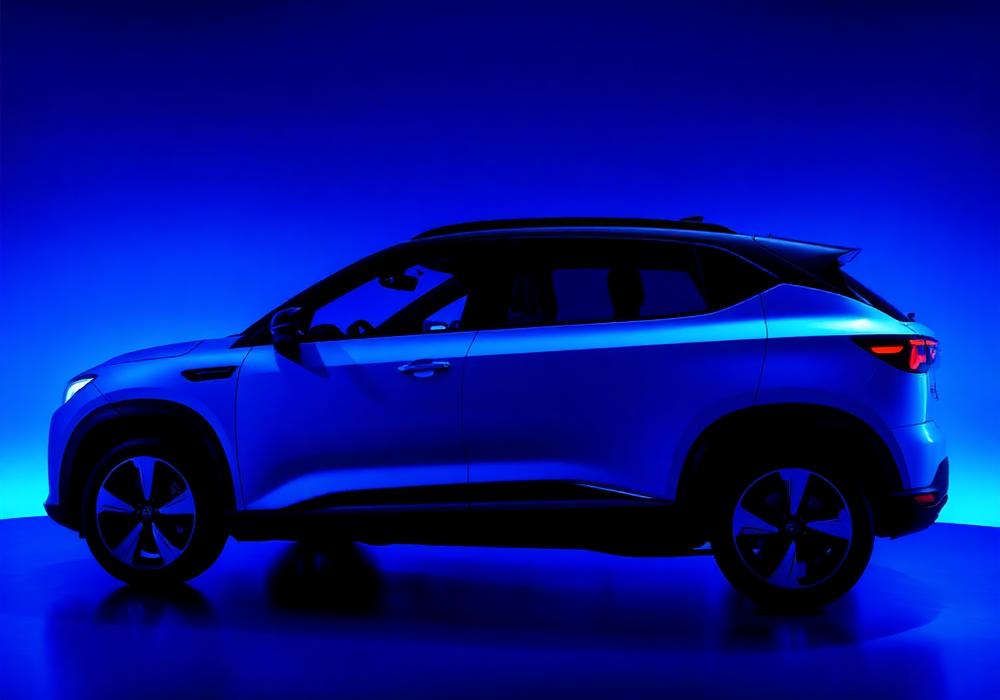
Buying an electric vehicle in 2026 looks very different than it did even two years ago. The days of relying purely on a dealer's asking price and a manufacturer-quoted range figure are quickly ending.
Third-party tools now aggregate real-world charging data, owner-reported range at different temperatures, and used-market pricing to surface an honest picture of what a vehicle will actually cost — and be worth — over five years of ownership.
In our reviews we lean on this same public data. Our Tesla Model Y 2026 review, for example, references EPA range, Supercharger network coverage, and owner-reported build quality trends — not a proprietary lab test we don't run.
The takeaway for shoppers: treat range and price as ranges, not points. Ask what the vehicle looks like in the third year of ownership, not just the first month.
Frequently asked questions
How is AI changing EV shopping in 2026?
AI-assisted tools aggregate real-world charging data, owner-reported cold-weather range, and used-market pricing to give shoppers a more honest picture of total cost of ownership than a manufacturer spec sheet alone.
Can AI predict EV battery degradation?
Not exactly — but public models trained on fleet telemetry can estimate expected range retention over 3, 5, and 8 years for a given chemistry and climate. Treat the output as a range, not a guarantee.
Does Auto AI Series use proprietary lab tests?
No. Our reviews reference EPA range, manufacturer specs, and public owner-reported data. We label editorial AI-assisted scores clearly and cite the official sources they draw from.