How to Choose an EV in 2026: A Practical Buyer's Checklist
Buying an EV in 2026 comes down to five decisions: home charging, range, charging network, incentives and resale. Here's how to work through them.
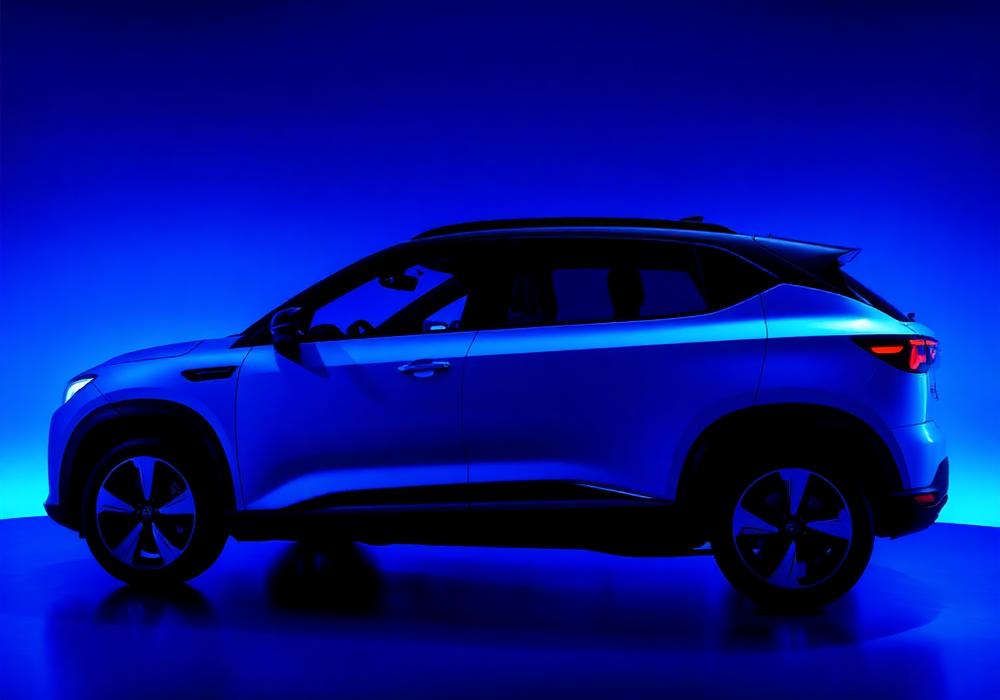
Learning how to choose an EV in 2026 is easier than it was two years ago — but only if you ask the right questions in the right order. Skip range and price for a minute: the single biggest predictor of EV happiness is whether you can charge at home.
Step 1 — home charging. If you have a garage or a dedicated parking spot where you can install a 240V Level 2 charger, an EV almost always makes sense. If you rely on public charging for daily use, factor in the price premium of public DC fast-charging and the time cost of stopping mid-week.
Step 2 — range. EPA-rated range should comfortably exceed your longest regular round trip with a 30% buffer for cold weather, hills and higher speeds. For most U.S. buyers, 250–320 miles of EPA range is the sweet spot. The Tesla Model Y 2026 Long Range RWD, for example, is EPA-rated at up to 320 miles.
Step 3 — the charging network. The North American Charging Standard (NACS) transition means most non-Tesla EVs can now access Superchargers with an adapter or native port. Even so, Tesla's network still leads on uptime and stall density — a real advantage if you road-trip.
Step 4 — incentives. Federal and state clean-vehicle credits change frequently. Confirm current eligibility on fueleconomy.gov and with your state's DMV or energy office before signing. Manufacturer lease incentives are often larger than purchase credits in 2026.
Step 5 — resale. EV resale has stabilized since the 2023–2024 dip but still trails the best hybrids at 3-year residuals. If you swap cars every few years, lease. If you keep cars 8+ years, buy.
Ready to see a specific model? Start with our Tesla Model Y 2026 review, then use the Compare tool to line it up against a hybrid alternative like the Honda CR-V Hybrid 2026.
Frequently asked questions
How do I know if an EV is right for me in 2026?
The single biggest predictor is home charging. If you can install a 240V Level 2 charger where you park overnight, an EV almost always makes sense. If you'd rely on public DC fast-charging for daily use, a hybrid is usually more practical.
How much EV range do I actually need?
EPA-rated range should exceed your longest regular round trip with roughly a 30% buffer for cold weather, hills, and highway speeds. For most U.S. drivers, 250–320 miles of EPA range is the sweet spot.
Can non-Tesla EVs use the Tesla Supercharger network?
Yes. With the NACS transition, most new non-Tesla EVs can access Superchargers either with a factory NACS port or an adapter, though availability varies by automaker and station.
Should I buy or lease an EV in 2026?
Lease if you swap cars every few years — manufacturer lease incentives are often larger than purchase tax credits in 2026, and it caps your resale-value risk. Buy if you keep cars 8+ years.