The Solid-State Battery Race: Who Ships First?
Several manufacturers claim they're within a couple of years of shipping a production solid-state EV battery. Here's what's real and what's marketing.
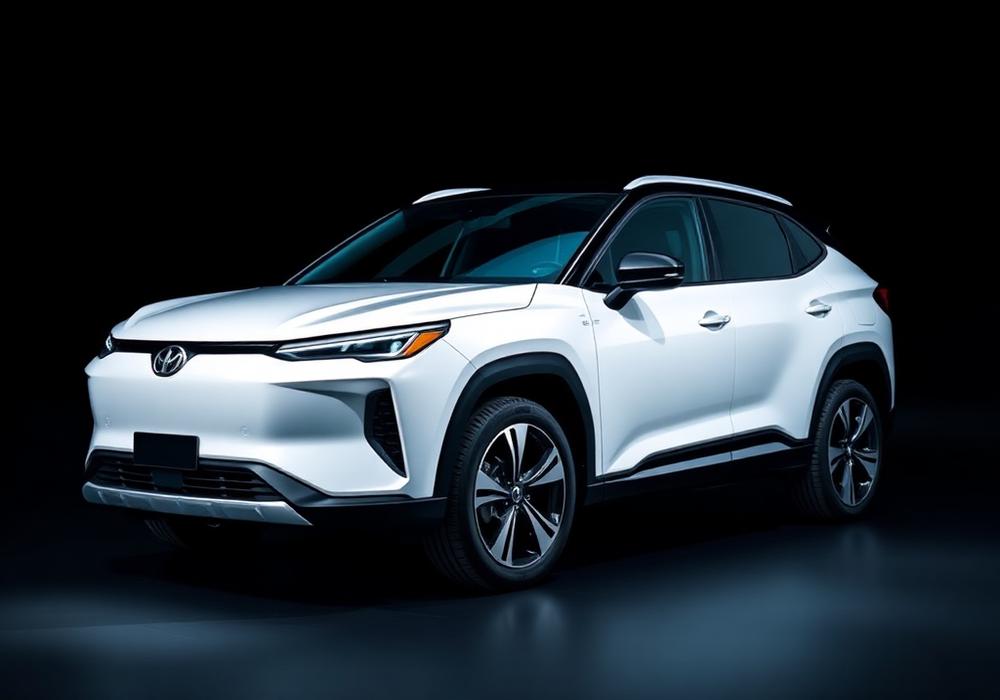
Solid-state batteries promise higher energy density, faster charging and better safety than the lithium-ion cells shipping in every EV today. Every major automaker has now made public commitments to the technology.
The gap between a promising prototype and a battery you can buy in a production car is famously wide. Manufacturing yield, cost per kWh and cell longevity are the three metrics to watch.
For buyers today, the practical implication is small: current lithium-ion EVs like the Tesla Model Y 2026 will hold up fine, and buying now is not a mistake even if a solid-state option arrives later this decade.
Frequently asked questions
When will solid-state EV batteries actually ship?
Public timelines from major automakers point to limited-volume production in the late 2020s, with mainstream availability further out. Manufacturing yield, cost per kWh, and cell longevity are the three metrics to watch.
Should I wait for a solid-state EV before buying?
No. Current lithium-ion EVs like the Tesla Model Y 2026 will remain fully usable for a decade or more, and prices on today's EVs are unlikely to collapse the day solid-state ships.
Are solid-state batteries safer than lithium-ion?
In principle yes — a solid electrolyte reduces thermal-runaway risk versus liquid lithium-ion cells. Real-world safety depends on cell design and pack engineering, not chemistry alone.